Digital transformation is no longer a choice for financial institutions—it’s a necessity. But for CTOs, the challenge isn’t just about modernizing technology; it’s about doing so in a cost-effective and sustainable way.
A poorly planned transformation can lead to ballooning expenses, integration headaches, and operational disruptions. On the other hand, a well-executed strategy can reduce long-term costs, improve efficiency, and enhance customer experience.
This article breaks down the true cost of digital transformation, common budgeting mistakes, and strategies to ensure a return on investment.
1. Breaking Down the Cost Components
Infrastructure and Cloud Migration
- Cloud adoption offers scalability but comes with pricing complexities.
- A hybrid approach—combining on-premise systems with cloud-based solutions—can optimize costs.
- Banks must factor in long-term expenses like cloud storage, cybersecurity, and infrastructure maintenance.
API Development and Integration
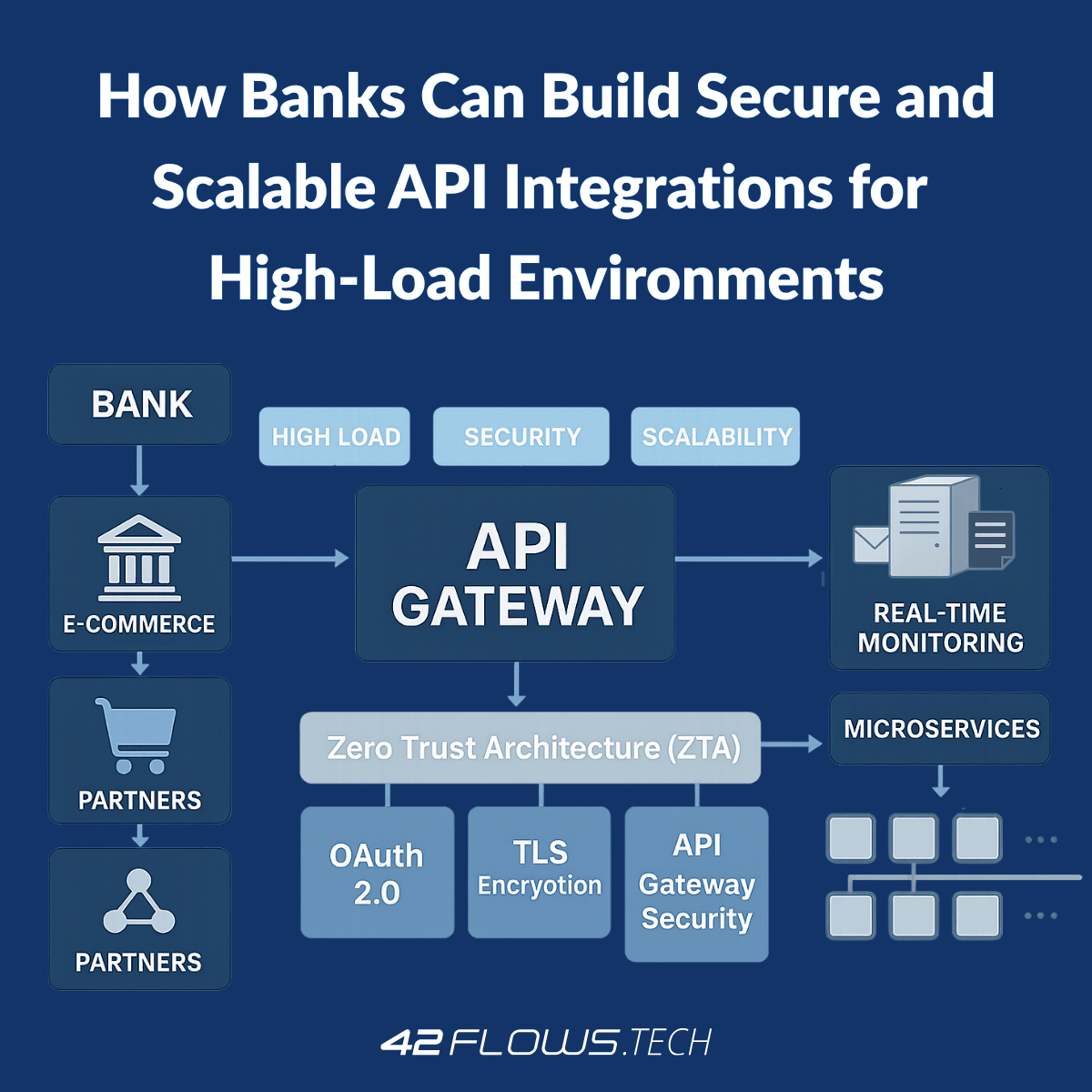
- API-driven banking is critical for connecting with fintech partners, payment processors, and regulators.
- The cost of custom API development and ongoing maintenance is often underestimated.
- Middleware solutions can ease integration but require an upfront investment.
AI and Automation
- AI-powered chatbots, fraud detection, and risk assessment tools improve efficiency but require significant investment in data models and infrastructure.
- AI implementation should be prioritized based on high-impact areas like compliance automation and customer service.
Security and Compliance
- Rising cyber threats and evolving regulations demand ongoing investment in security protocols.
- Compliance automation tools can reduce manual work and mitigate regulatory risks.
- Banks must plan for costs related to KYC, AML, and fraud prevention systems.
2. Hidden Costs and Budgeting Mistakes
Many financial institutions miscalculate the true cost of transformation. Some common pitfalls include:
Overlooking Employee Training and Change Management
- A new system is only as effective as the team using it.
- Lack of investment in training leads to inefficiencies and resistance to change.
Underestimating Legacy System Dependencies
- Even after implementing new solutions, legacy systems often require maintenance for years.
- Poor data migration planning can lead to unexpected costs.
Vendor Lock-in Risks
- Some third-party platforms offer competitive pricing upfront but become costly in the long run due to dependency.
- Banks should prioritize modular and vendor-agnostic solutions to maintain flexibility.
3. Strategies for a Cost-Effective Digital Transformation
Prioritize High-Impact Initiatives
- Not all digital upgrades are equally urgent. Start with mission-critical projects that drive measurable ROI.
- Focus on customer-centric improvements that enhance engagement and retention.
Adopt a Phased Approach
- A gradual rollout reduces risk and allows for course correction.
- Start with pilot projects before full-scale implementation.
Leverage Partnerships and Outsourcing
- Collaborating with fintech providers can reduce development costs.
- Outsourcing non-core functions like compliance monitoring can optimize spending.
Plan for Long-Term Sustainability
- Regular audits help track progress and adjust budgets.
- Cost optimization tools can prevent overspending on cloud and infrastructure.
- Continuous investment in innovation ensures that digital transformation remains relevant and effective.
Conclusion
For CTOs, digital transformation isn’t just about upgrading technology—it’s about making strategic investments that drive efficiency and growth. By planning for both direct and hidden costs, financial institutions can modernize without unnecessary overspending.
At 42Flows, we specialize in helping financial institutions build scalable banking infrastructure, integrate API-driven solutions, and implement AI-driven automation to ensure cost-effective digital transformation.
If your organization is planning a technology upgrade, let’s discuss how to make it both efficient and cost-effective. Contact us at success@42flows.tech to get started.





 Maksym Popov